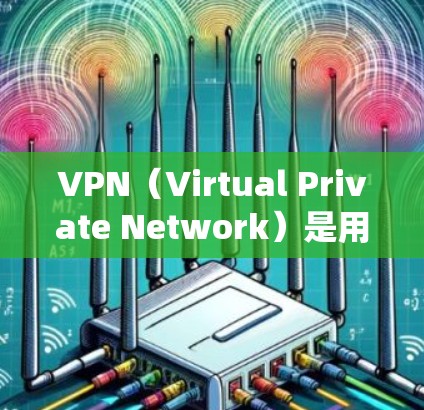
"VPN" (Virtual Private Network) is a software that allows you to connect to the internet from anywhere, even outside your local network. It encrypts your connection so that your private data, like online accounts, browsing habits, and files, are protected from being intercepted by third parties.
-
Download and Install aVPN: There are many free and paid VPNs available online. Some popular free VPNs include:
- OpenVPN
- Open-source VPNs (e.g., OpenShut, Netnix, OpenRouter)
- Free VPNs for mobile devices (e.g., Snort Mobile, Vidyo)
-
Configure the VPN:
- Once installed, you'll need to configure the VPN to connect to your local network.
- Set up a username and password for the VPN, and configure it to use your public Wi-Fi or a private Wi-Fi network.
-
Use the VPN:
- For browsing, use the VPN to connect to your desired online server or application.
- For streaming, use the VPN to access online content from a server in your local network.
- For file sharing, use the VPN to send and receive files through your local network.
Important Notes:
- Password Protection: Use a strong, unique password for your VPN account to protect your account and any sensitive data.
- Change Password Regularly: Change your VPN password often, especially if you have multiple accounts or use a VPN for multiple accounts.
- Network Settings: Ensure your local network is configured to allow the VPN to connect to your public Wi-Fi.
Using a VPN can enhance your online experience by providing a private and secure connection to the internet.