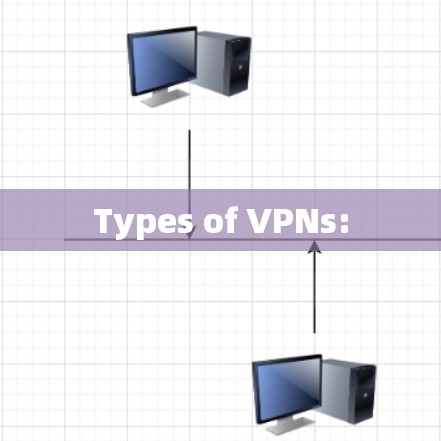
A VPN, or Virtual Private Network, is a tool used to securely connect to a public or private internet connection over a private or public network. It encrypts the data being transferred, making it difficult for third parties to access the information. VPNs are commonly used for online services such as banking, entertainment, and shopping, as well as for remote work, remote accessing to websites, and remote work.
- HTTP VPNs: These are the most common type of VPN and use the HTTP protocol to transfer data. They are generally considered more secure and less common in modern usage.
- HTTPS VPNs: These use the HTTPS protocol, which is a more secure version of HTTP. HTTPS uses the same encryption as HTTP, but it is often used for websites that require HTTPS.
- SNIPE VPNs: These use the Secure Network Internal Protocol (SNIPE), which is an older encryption method that has largely been replaced by WEP encryption in most modern systems.
Benefits of Using a VPN:
- Secure Data Transfer: VPNs encrypt the data being transferred, making it difficult for third parties to access the information.
- Privacy: VPNs allow you to access private or work-related information securely without revealing it to the internet or your network.
- Speed: Many modern VPNs offer faster speeds than the standard internet connection, which is an added benefit for users who need to access content or services quickly.
- Customizable: Some VPNs allow you to customize your session preferences, such as the type of encryption or the speed limits.
Drawbacks of Using a VPN:
- Slower Speeds: Modern VPNs typically offer slower speeds compared to the standard internet connection, which can be a disadvantage for users who need fast internet access.
- Country Restrictions: Some VPNs block access to certain countries or regions, depending on the provider.
- Limited Functionality: Some VPNs are designed for specific types of use, such as banking or entertainment, and may not be suitable for all types of online activities.
Legal and Regulatory Considerations:
- Some VPNs are regulated by governments or organizations as part of their service contracts, which may include terms related to data privacy, content control, and customer service.
- Using a VPN may also involve compliance with data protection laws, such as the Terms of Service of the service provider or the regulations of your country.
How to Choose the Best VPN:
- Purpose: Consider whether you need a VPN for work, travel, or personal use.
- Speed: If you need faster speeds, look for a VPN with faster speeds than your internet connection.
- Security: Choose a VPN that meets your security needs, such as encryption strength and security updates.
- Customization: If you need to customize your session preferences, look for a VPN that offers this feature.
- Regulation: Check if the VPN you choose is regulated by relevant authorities.
If you have any specific questions or need further assistance, feel free to ask!